Family Owned & Operated Since 1980
Published August 29, 2024
Iron is a common contaminant in water supplies, especially in high-mineral areas like Vermont. It isn't typically harmful to health, but it affects water quality, plumbing, and appliance lifespan. Here is what iron does to your water and the filtration methods that remove it.
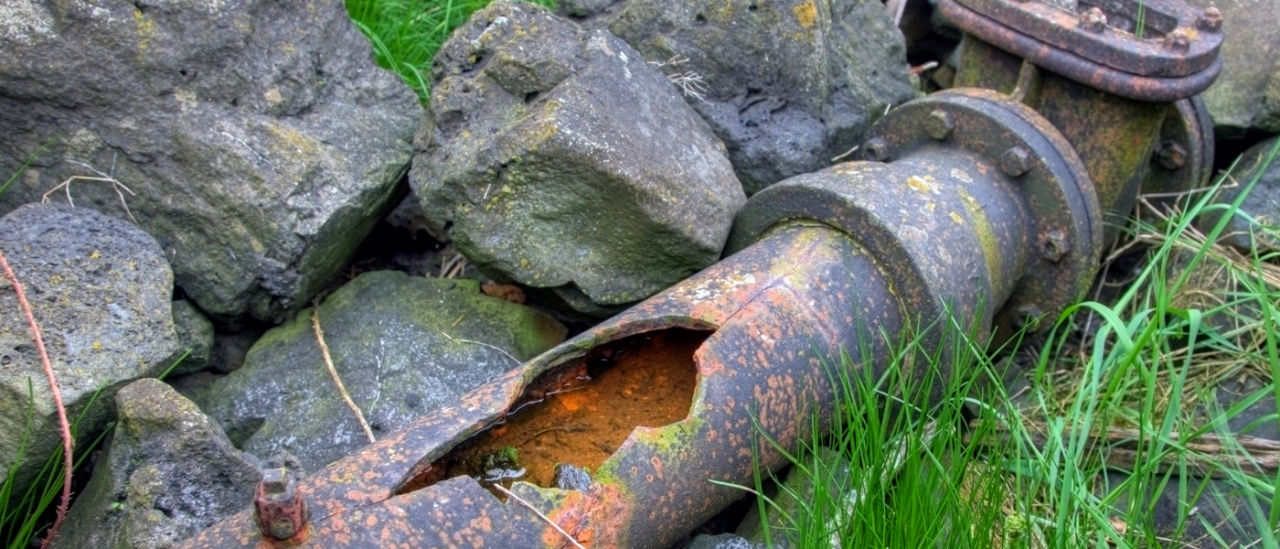
Iron enters your water supply naturally as water flows through soil and rock containing iron deposits, and from corroding pipes and fixtures. In Vermont, iron in groundwater is relatively common.
Iron in water typically exists in two forms:
Ferrous Iron (Clear Water Iron): Dissolved in water and often invisible when first drawn from the tap. When exposed to air, it oxidizes into ferric iron, which gives water a rusty, reddish-brown color.
Ferric Iron (Red Water Iron): Already oxidized, appearing as tiny suspended particles that give water a cloudy or rusty look and cause staining and sediment buildup in pipes and appliances.
Staining is the most noticeable impact: reddish-brown stains on sinks, bathtubs, toilets, fixtures, and laundry that are difficult to remove and often need special cleaning products.
Even at low concentrations, iron imparts a metallic taste to drinking water and affects the flavor of beverages and foods prepared with it. It can also give water a metallic or musty odor.
Over time, iron particles accumulate in plumbing, causing clogs and reduced flow, and build up in water heaters, dishwashers, and washing machines - reducing efficiency, increasing energy use, and shortening lifespan. Water heaters are especially susceptible; iron deposits reduce heating efficiency and raise utility bills. In severe cases, deposits cause complete blockages that require costly repairs.
Washing with iron-contaminated water affects skin and hair too: iron residue can leave skin dry and irritated, and hair dull, brittle, and harder to manage.
Effective removal methods exist, and Clear Water Filtration offers treatment solutions designed for iron contamination in Vermont homes.
Water softeners, best known for removing hardness minerals, can also remove ferrous iron. The ion exchange process replaces calcium, magnesium, and iron ions with sodium ions. Softeners work best for low levels of ferrous iron; higher concentrations or ferric iron call for additional filtration.
Iron filters remove both ferrous and ferric iron using a multi-step process that oxidizes dissolved iron into solid particles and filters them out. They often include additional stages for contaminants such as manganese and hydrogen sulfide. For most Vermont wells the fix is a dedicated iron filter for well water sized to the iron level your test shows.
Oxidizing agents such as chlorine, ozone, or air convert dissolved iron into filterable solid particles. This method is often paired with an iron filter for homes with high iron levels or multiple contaminants, and it requires proper dosing and maintenance to prevent residual chemicals from affecting water quality.
For complex water issues, a combination of methods may be the best solution. Clear Water Filtration builds customized systems mixing water softeners, iron filters, and additional filtration stages. Our team conducts a thorough water analysis to determine the exact level of iron and other contaminants, then recommends a tailored solution.
With years of experience serving Vermont residents, we understand the challenges posed by Vermont's water sources and build systems for long-lasting, reliable performance. If iron in your water is causing problems in your home, contact Clear Water Filtration today to explore the best solutions for clean, iron-free water.
Our water quality experts can help you find the right solution for your home or business.

© Red Barn Media Group 2026