Family Owned & Operated Since 1980
Published August 22, 2024
For residents in Vermont, dealing with hard water can be a daily challenge, leading to scale buildup, reduced appliance efficiency, and even skin irritation. This article covers what causes hard water and the treatment options that fix it.
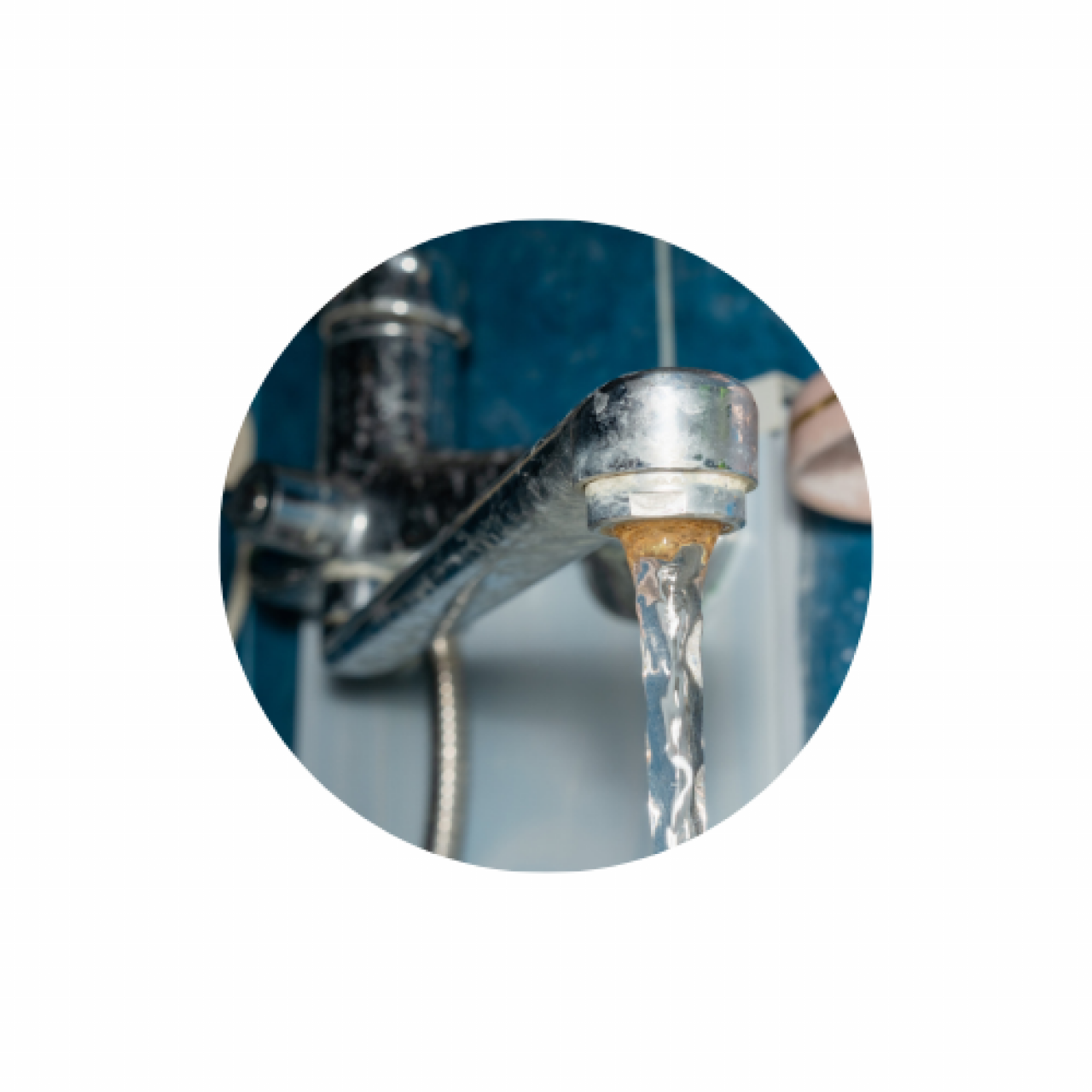
Hard water contains high levels of dissolved minerals, primarily calcium and magnesium. As water passes through mineral-rich soil and rock on its way to your home's water supply, it picks up calcium and magnesium ions that remain dissolved in the water.
The level of hardness is typically measured in grains per gallon (GPG) or milligrams per liter (mg/L). Water is considered hard if it contains more than 7 GPG or 120 mg/L of dissolved minerals. In Vermont, regional geology contributes to varying levels of water hardness, depending on the local water source.
Hard water isn’t harmful to your health, but it can cause several issues within your home, including:
Water softening systems. The most common and effective method of treating hard water is installing a residential water softening system. Water softeners replace the calcium and magnesium ions in your water with sodium or potassium ions, which do not cause scale buildup or soap scum. This process, known as ion exchange, leaves your water soft. We tailor each system to the specific hardness level of your water.
Whole-house filtration systems. In addition to water softeners, whole-house filtration systems can address other water quality issues such as iron, chlorine, and sediment, so every tap in your home delivers clean, filtered water for drinking, cooking, and bathing. Combining a softener with additional filtration protects your home’s plumbing, appliances, and your family’s health.
Testing and installation. Choosing the right treatment starts with understanding your water. Our professional water testing services determine the exact hardness level and any other contaminants present, and our technicians install the recommended system so it integrates correctly with your home’s plumbing.
With decades of experience serving Vermont residents, we understand the challenges posed by the state's water sources. Whether you’re dealing with hard water, iron, or other contaminants, our water softening and filtration solutions protect your home’s plumbing, appliances, and family. Don’t let hard water continue to cause problems in your home - contact us today to learn more.
Service Locations:
Vermont: Washington, Lamoille, Addison, Orleans County, Caledonia, Chittenden, Essex, Franklin, Grand Isle, Orange, Rutland, Windham, Windsor
Our water quality experts can help you find the right solution for your home or business.

© Red Barn Media Group 2026